
Do you ever wake up with a sore jaw, a dull headache, or teeth that feel strangely sensitive? Maybe your partner has mentioned hearing you grind your teeth while you sleep. Or maybe you’ve noticed your teeth look shorter or more worn than they used to. If any of that sounds familiar, you might be grinding your teeth at night. It’s a condition called bruxism, and it’s far more common than most people realize.
At Butler Family Dentistry, we see the effects of night grinding every week. Some patients have been doing it for years without knowing. Others only find out when a spouse tells them or when we spot the damage during a routine exam.
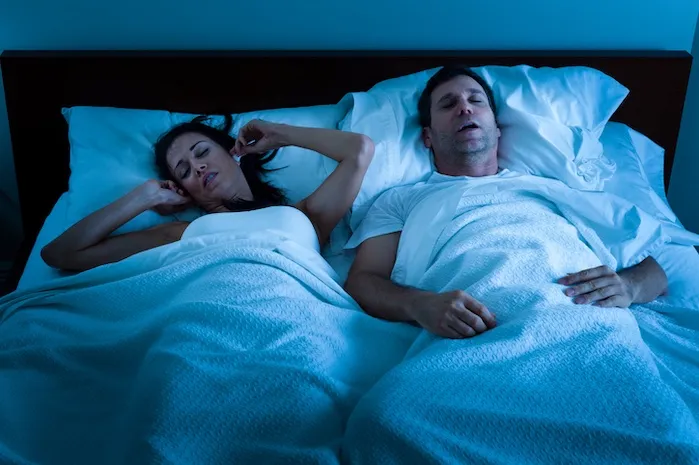
What Is Bruxism?
Bruxism is the medical term for grinding or clenching your teeth. It can happen during the day, often when you’re stressed or focused, but it’s most common at night. That’s when it’s hardest to control because you’re asleep.
Night grinding can be mild and occasional, or severe and frequent. Some people grind hard enough to chip teeth or wear them down to stubs over time. Others clench without making a sound, which can be just as damaging.
Signs You Might Be Grinding
Many people don’t realize they’re grinding until damage is already done. Here are the most common signs:
- Waking up with a sore jaw or face
- Frequent headaches, especially in the morning
- Teeth that feel sensitive or loose
- Flat, worn, or chipped teeth
- A clicking or popping sound when you open your mouth
- Disrupted sleep for you or your partner
- Soreness in the muscles of your jaw
If you notice any of these, bring them up at your next visit. We can often spot the signs of bruxism during a routine exam—even before you feel any symptoms.
Why Does It Happen?
There’s no single cause. Bruxism is often linked to a combination of factors:
- Stress and anxiety: This is one of the biggest triggers. When you’re stressed, you may clench your jaw without realizing it, even during the day.
- Sleep disorders: Conditions like sleep apnea can increase the likelihood of grinding.
- Bite misalignment: If your teeth don’t fit together properly, your jaw may work harder to find a comfortable position.
- Medications: Some antidepressants and stimulants can increase the risk.
- Lifestyle factors: Caffeine, alcohol, and smoking have all been linked to higher rates of bruxism.
Bruxism is treatable. You can protect your teeth from further damage and, when possible, address the underlying cause.
A Custom Nightguard
This is the most common and effective solution. A custom nightguard is a smooth, protective appliance that fits over your teeth while you sleep. It absorbs the force of grinding and keeps your teeth from wearing against each other.
We make nightguards right here in our Strongsville, OH, dental office using impressions of your teeth. They’re comfortable, durable, and far more effective than anything you’ll find at a drugstore.
Stress Management
Since stress is a major trigger, finding ways to relax can help. Deep breathing, regular exercise, and even simple jaw stretches before bed can reduce clenching. If stress is a persistent issue, talk to your doctor about additional support.
Jaw Exercises and Relaxation
Simple exercises can help relax your jaw muscles. Try gently massaging your jaw, avoiding hard or chewy foods before bed, and being mindful of clenching during the day.
Addressing Underlying Issues
If we suspect sleep apnea or another condition is contributing, we’ll talk with you about next steps. Sometimes treating the root cause makes a big difference.
Don’t Ignore the Signs
Grinding might seem like a minor habit, but the damage adds up. Enamel doesn’t grow back. Once your teeth are worn down, we’re in repair mode instead of prevention mode.
If you suspect you’re grinding your teeth, or if your partner has mentioned it, come in for a visit. We’ll check for signs of wear, talk through your symptoms, and help you decide whether a nightguard or another approach makes sense.
We serve patients throughout Strongsville, Brunswick, North Royalton, Berea, and Middleburg Heights. Call our office or request an appointment online. Your smile will thank you, and so will your jaw.